
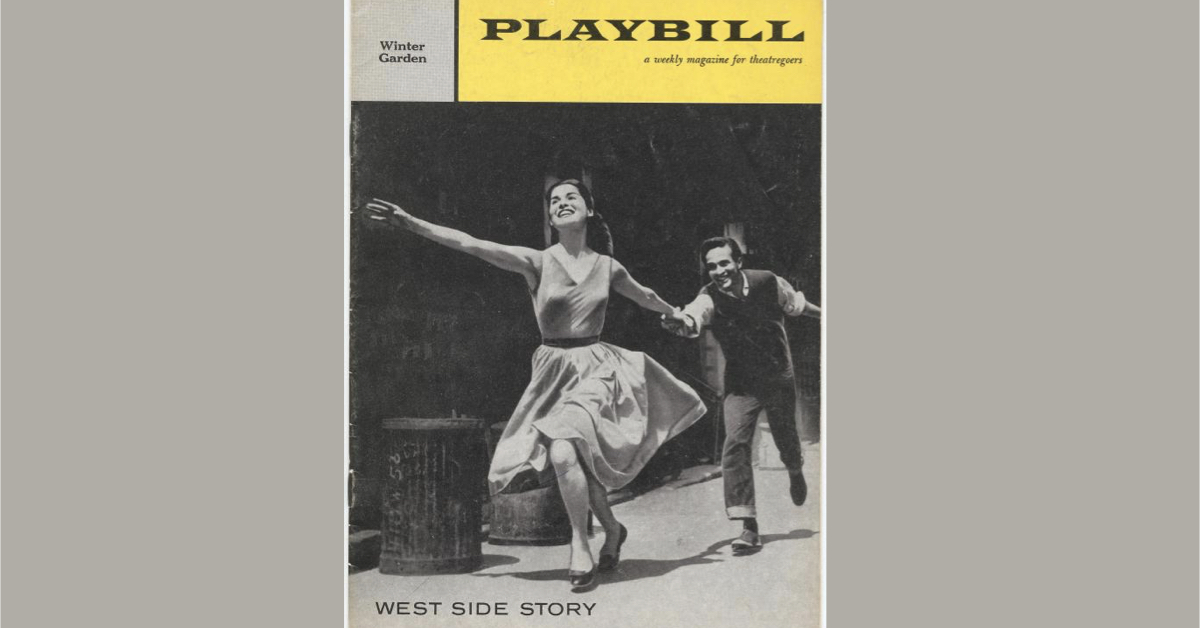
As those who follow musical theater know, Steven Spielberg’s new film of ‘West Side Story’ was recently released. Getting mixed reviews, it has also renewed interest in the first film version, from 1961, directed by Robert Wise when all those remarkable creators, Leonard Bernstein, Arthur Laurents, Jerome Robbins, and Stephen Sondheim were still alive.
Omicron has kept me from seeing the new version in a theater, which judging by the trailer, is the best venue. The droll and insightful Mark Kermode gives it a mostly favorable review, though others have been hard on the film and/or the original material. Adam Mars-Jones cavil does seem plausible as he points out that adding an interracial romance is “a development that drives a coach and horses through the entire plot. If interracial marriage is no big deal then what is there left of West Side Story? Not much.”
I haven’t seen much mention of Bernstein’s own recording of the score made in 1984, and derided at the time for its use of famous opera singers, then considered vanity casting for a vain self-indulgent composer-conductor. The New Republic review of the recording sneered “Upper West Side Story” in its headline. It’s now a classic (at least by my lights), not to replace the Broadway Original Cast Album but to stand beside it as a great composer’s authoritative thoughts on one of the century’s best musicals.
A doc on the making of the recording was put out at the time, and bits and pieces of it turn up on YouTube.
The doc’s most famous sequence is José Carreras struggling to handle the complexities of ‘Something’s Coming.’ But listen to Kiri Te Kanawa and Tatiana Troyanos singing “A Boy Like That & I Have a Love” for some glorious vocalism. It’s also amazing to watch the composer’s regular producer John McClure do his job. Managing all the moving parts of recording a complicated score is a big lift under any circumstance, with Bernstein it was sometimes herculean, and John was on the receiving end of his fair share snappish Lenny moments, judging by this film. Yet they made some 200 records together.
Speaking of golden age talents like Te Kanawa and Bernstein, for fans of glorious voices I recommend the New Year’s Eve concert presented by the Munich Radio Orchestra with star tenor Javier Camarena. It’s full of old chestnuts (fans of ‘Granada’ and ‘Nessun Dorma’ will not be disappointed) as well as delightful zarzuela numbers, all delivered with honeyed tone, superb diction and high notes that gave me goosebumps. The band and their conductor, Ivan Repušic, acquit themselves beautifully as well. I don’t know how long BR-Klassik will keep it live, so if operatic tenors are your thing, check it out now.

 A Few Reasonable Words